

Table of Contents
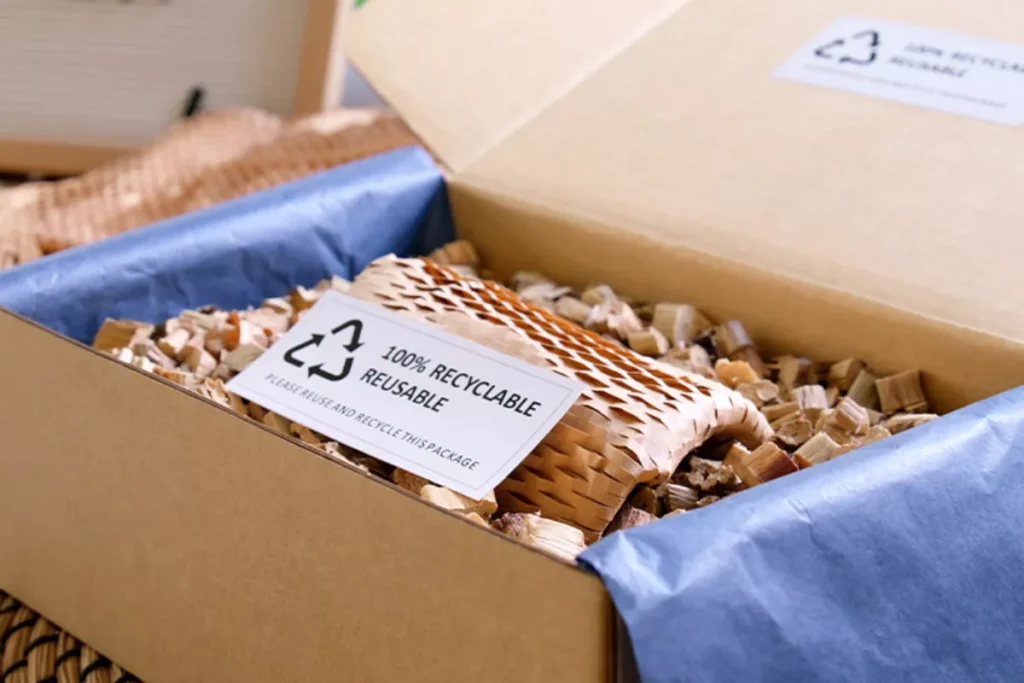
ToggleWhen it comes to packaging, many brands focus primarily on the outer box or shipping carton. However, the inner packaging—tissue paper, wrappers, and inserts—is equally critical. These small components can significantly influence the unboxing experience, product protection, and overall brand perception.
Inner packaging serves multiple functions. It cushions delicate products, separates items to avoid damage, and provides an opportunity for branding and design expression. The way products are wrapped and presented can differentiate your brand, convey quality, and ensure customer satisfaction. Selecting the right materials, print finishes, and layering strategies is crucial for any business aiming to leave a lasting impression.
Why Inner Packaging Matters
Many brands underestimate the importance of inner packaging, assuming the outer box is sufficient. In reality, the first impression of your product happens the moment a customer interacts with the inner packaging. A neatly folded tissue paper, a carefully designed wrapper, or a precision-cut insert can create a sense of premium quality even before the product is revealed.
Key reasons inner packaging is essential include:
- Unboxing Experience: The unboxing journey is a pivotal aspect of brand perception. Thoughtful inner packaging adds suspense, elegance, and satisfaction, enhancing the overall customer experience. From patterned tissue paper to layered wraps, these details make your product feel special and curated.
- Product Protection: Fragile items like cosmetics, electronics, glassware, or delicate apparel require careful internal support. Inner packaging ensures items remain intact during handling, shipping, and storage, reducing return rates and customer complaints.
- Branding Opportunity: Inner packaging is an often-overlooked platform for reinforcing brand identity. Custom-printed tissue paper, branded wrappers, or thematic inserts can carry your brand message beyond the outer box, strengthening recognition and customer loyalty.
- Eco-Friendly Messaging: Modern consumers increasingly prefer brands that consider sustainability. Using recycled, biodegradable, or FSC-certified materials in inner packaging demonstrates environmental responsibility and aligns with customer values.
- Layering Strategies: Proper layering techniques can enhance both protection and presentation. Strategically layered tissue, inserts, and dividers can secure products while creating a memorable reveal effect during unboxing.
Every choice in inner packaging—from paper weight to print style—has an impact on how your product is perceived and how safe it remains during transit.
Types of Inner Packaging Materials
Selecting the right inner packaging materials depends on the product type, fragility, brand positioning, and budget. Understanding the options helps brands balance protection, cost, and customer experience.
Tissue Paper
Tissue paper is the most widely used inner packaging material. It is soft, flexible, and ideal for wrapping delicate products or separating items in a box. Tissue comes in various colors, prints, and finishes, providing both protective and aesthetic functions.
- Material Types: Standard, colored, metallic, printed, or recycled tissue.
- GSM Range: Typically 15–40 GSM. Lightweight tissue is softer and flexible, while heavier options provide durability and a premium feel.
- Benefits: Protects items from scratches, maintains product separation, and offers a canvas for branding through printing.
Wax Paper and Food Wrappers
For food-related products, grease-resistant and moisture-proof papers are essential. These papers include greaseproof, waxed, and parchment papers, which protect both the product and its presentation.
- GSM Range: 20–50 GSM, depending on application. Sandwich wraps use lighter papers, while baking or greasy items require heavier options.
- Benefits: Prevents moisture or grease from affecting the packaging, ensures hygiene compliance, and maintains product appearance.
Corrugated Inserts and Dividers
Corrugated inserts, partitions, or dividers help organize products inside the box, preventing movement and reducing risk of damage. These inserts are often used in subscription boxes, electronics, glassware, or multiple-item packages.
- Benefits: Structural support, precise separation of products, and added cushioning.
- Considerations: Can add bulk and shipping weight, but the protection often outweighs cost concerns.
Foam and Molded Pulp
High-value or fragile products like electronics, glassware, or luxury items often require foam or molded pulp inserts. These materials provide shock absorption and prevent vibration damage during shipping.
- Material Types: Polyurethane foam, biodegradable foam alternatives, molded pulp trays.
- Benefits: Excellent cushioning and shape retention.
- Considerations: Foam can feel cheap if not branded, while molded pulp may have limited print options.
Choosing the Right Paper for Inner Packaging
Not all tissue papers or wrappers are the same. The choice of paper significantly impacts strength, print quality, and customer experience.
Weight and GSM
- Lightweight (15–20 GSM): Soft and flexible, ideal for delicate clothing or light accessories. These papers are inexpensive but may tear easily.
- Medium weight (25–35 GSM): Balances protection and print quality. Suitable for cosmetics, mid-range retail products, and gift items.
- Heavyweight (35–40 GSM): Strong, durable, and able to hold folds well. Excellent for premium products requiring embossing, foil stamping, or multi-layer wraps.
Opacity
Thicker tissue prevents customers from glimpsing products prematurely, preserving the element of surprise. Low-opacity tissue may require double layering to achieve the desired effect.
Texture and Finish
- Smooth tissue: Works well for high-resolution printing and foil stamping.
- Textured tissue: Adds tactile appeal and reinforces premium perception.
Eco-Friendliness
- Recycled tissue: Reduces environmental impact and aligns with sustainable branding.
- FSC-certified tissue: Ensures responsible sourcing.
- Avoid unnecessary laminates or plastic coatings unless required for moisture protection.
Printability
- High GSM tissues support vibrant prints and foil stamping.
- Low GSM tissues work best for plain wraps or simple patterns.
Print Options for Inner Packaging
Inner packaging is an opportunity to extend your brand visually and emotionally. Several print options can elevate the unboxing experience:
- Full-color prints: Logos, patterns, illustrations. Best for 25–40 GSM tissue to avoid bleeding or warping.
- Spot UV or foil stamping: Adds a premium touch. Requires slightly heavier tissue to maintain integrity.
- Custom patterns: Monograms, seasonal designs, or repeated brand elements create sophistication.
- Variable data printing: Personalized touches like customer names, order numbers, or subscription-specific designs add uniqueness.
Always test the chosen paper and print method together. Inappropriate combinations can lead to wrinkles, bleeding, or uneven finishes.
Layering Strategies for Protection and Presentation
Layering inner packaging ensures both product safety and a memorable unboxing experience:
- Single-layer wrap: Suitable for light or non-fragile products. Cost-effective but limited in protection.
- Double-layer wrap: Enhances opacity, cushioning, and premium perception. Ideal for fragile cosmetics or electronics.
- Layered dividers: Combine tissue with cardboard or molded pulp for multi-item kits, keeping products secure and organized.
- Sequential reveal: Layering can create a staged unboxing experience, enhancing customer engagement and shareability on social media.
Example: A luxury candle kit could include:
- Layer 1: Branded tissue wrap with printed logo
- Layer 2: Molded pulp tray holding candles securely
- Layer 3: Decorative ribbon or accent wrap to complete presentation
Eco-Friendly Inner Packaging Choices
Sustainability is increasingly important for brands and consumers alike. There are several ways to balance protection, presentation, and environmental responsibility:
- Recycled tissue paper: Lightweight yet durable option, supporting circular economy principles.
- Mono-material coatings: Water-based or plant-based coatings replace plastic laminates, enhancing recyclability.
- Compostable wrappers: Essential for bakery, snack, or perishable items.
- Reusable inserts: Molded pulp trays can double as customer storage solutions, reinforcing brand longevity.
Avoid over-layering materials even if they are eco-friendly, as this increases shipping weight, costs, and perceived wastefulness.
Product-Specific Recommendations
Different products demand different inner packaging strategies. Here is a practical guide:
| Product Type | Recommended Inner Packaging | GSM / Material | Layering / Notes |
|---|---|---|---|
| Clothing | Tissue paper wrap | 20–25 GSM | Single or double layer, printed with brand logo for a premium feel |
| Cosmetics | Printed tissue + cardboard insert | 25–35 GSM | Double layer for fragile jars, supports embossing and foil printing |
| Electronics | Anti-static tissue + molded pulp | 30–40 GSM | Protects against scratches, impacts, and static damage |
| Food | Greaseproof / wax paper | 20–50 GSM | Single layer for dry items, double layer for greasy or moist products |
| Jewelry | Tissue + foam or velvet insert | 30–40 GSM | Cushions delicate items and enhances luxury perception |
| Glassware | Tissue + corrugated inserts | 30–35 GSM | Prevents movement, reduces risk of breakage |
| Subscription Boxes | Mixed tissue layers + dividers | 25–35 GSM | Sequential reveal for customer engagement and excitement |
Common Mistakes in Inner Packaging
Even experienced brands make errors that impact protection, cost, and perception. Understanding these mistakes ensures better outcomes:
Choosing tissue that is too thin
Some brands opt for very low GSM tissue to save costs. While lightweight, it tears easily during wrapping, exposing products to scratches or damage. Thin tissue also lacks opacity, reducing the sense of anticipation in the unboxing experience and making the packaging feel cheap.
Ignoring product fragility
Not all items are equally resilient. Fragile products like glassware, electronics, or delicate cosmetics require reinforced inner packaging. Skipping protective inserts or layered tissue can lead to broken items, unhappy customers, and higher return rates. Proper cushioning reduces risk and maintains brand trust.
Overprinting on low GSM tissue
Printing adds brand identity but low GSM tissues cannot handle heavy ink, embossing, or foil stamping. This can cause wrinkling, bleeding, or warping. Selecting a suitable GSM ensures clean, vibrant prints without compromising tissue integrity.
Over-layering unnecessarily
Adding too many layers of tissue, inserts, or wrappers increases shipping weight, cost, and material use without substantial benefit. Excessive layering can also frustrate customers during unboxing. Strategic layering balances protection, aesthetics, and efficiency.
Neglecting moisture or grease protection
Food and bakery items require moisture or grease-resistant papers. Using standard tissue can lead to stains, leaks, or sticking, compromising hygiene and product presentation. Greaseproof, waxed, or parchment papers prevent these issues, ensuring both safety and visual appeal.
Inner Packaging and the Unboxing Experience
The unboxing experience has become a key driver of customer engagement and brand perception. Thoughtful inner packaging can transform a standard delivery into a memorable moment:
- Customers are more likely to share visually appealing unboxing content on social media.
- Branded, layered, and tactile tissue enhances the perception of quality.
- Sequential or staged layers add suspense and excitement.
Simple touches like signature colors, printed logos, and textures elevate the experience, while functional layering ensures products remain intact.
Combining Protection with Presentation
The ideal packaging inserts is both protective and visually appealing. Examples include:
- Fragile products: Combine molded pulp or corrugated inserts with tissue for cushioning.
- Food products: Use greaseproof or waxed paper, layered as needed for moisture protection.
- Luxury items: High GSM printed tissue with foam, velvet, or specialty inserts.
The principle is simple: function first, aesthetics second, branding ties everything together.
Cost Considerations for Inner Packaging
- Higher GSM tissue: Costs more but increases durability and print quality.
- Printed tissue: Strengthens brand identity but adds per-unit cost.
- Custom inserts: Protect products, reduce returns, and improve presentation, but increase upfront production costs.
- Eco-friendly materials: Slightly higher cost per unit, but enhance brand image and meet sustainability goals.
Optimizing the number of layers, material choice, and insert design helps balance cost with performance.
Conclusion
Tissue paper, wrappers, and inner packaging may seem like minor details, but they have a major impact on brand perception, product safety, and customer satisfaction.
From material selection and GSM choice to layering strategies and eco-friendly options, each decision matters. Thoughtful inner packaging reduces damage, enhances unboxing, and reinforces brand loyalty.
Whether shipping clothing, food, cosmetics, electronics, or luxury items, investing in the right tissue, wrappers, and inserts ensures products arrive safely, look premium, and delight customers. Small details, big impact—this is the essence of effective inner packaging.